
Zhongding's existing multifunction popsicle and ice mold uses a lidded box format for both stick-based frozen treats and everyday ice. One format can support different uses, but contents, accessories and operating methods still need separate confirmation.
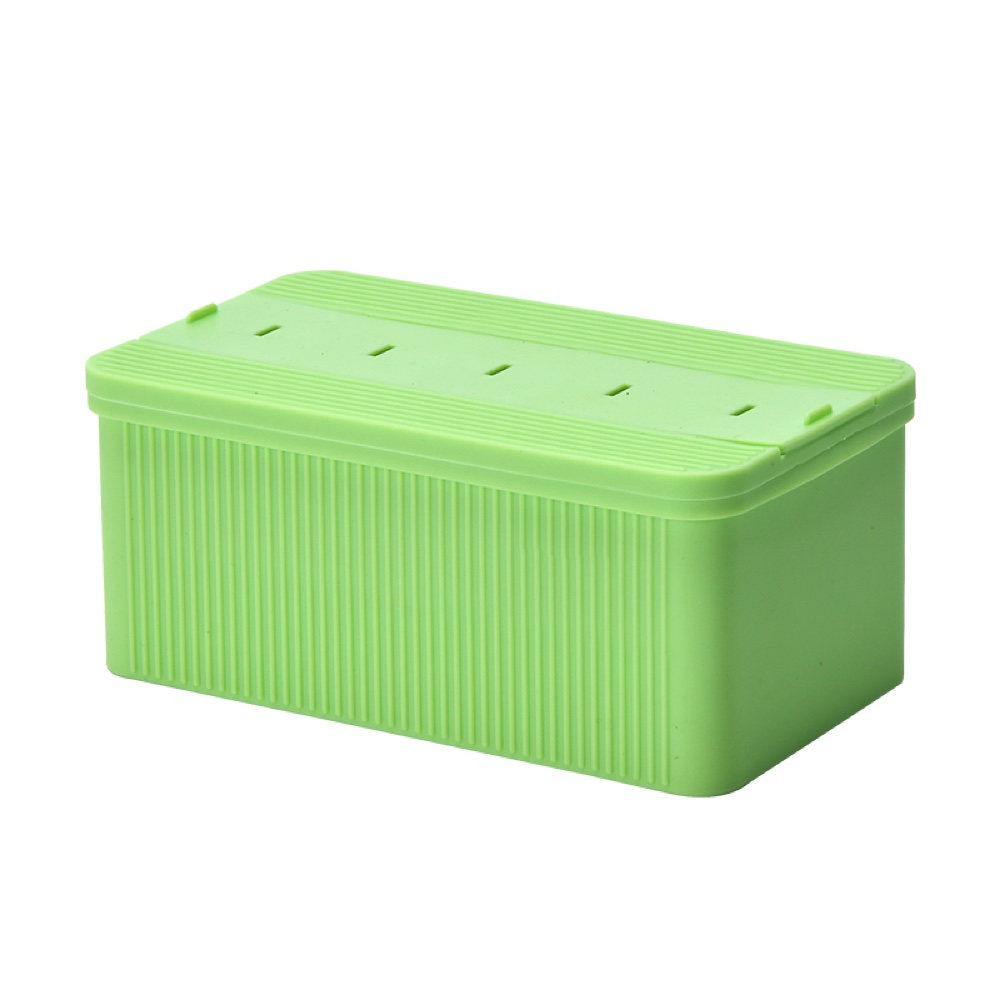
Existing lidded format. The image does not establish a validated fill line, freezing time or thermal-cycle performance.
Why filling right up to the lid can create problems
Solid ice is less dense than liquid water, so the volume occupied by a given mass changes during freezing. The USGS Water Science School explains this relationship and the influence of temperature and dissolved substances on density. USGS original educational page: Water Density, dated 24 August 2026
The design implication is that liquid fit alone is insufficient. Consider the frozen contents in relation to the lid, partitions and stick positions. Being able to press a lid into place does not establish a suitable fill. Closing the lid can itself move liquid toward an edge or neighboring area.
Do not convert pure-water behavior into a universal headspace percentage for every recipe. Sugar, milk ingredients, fruit pieces and incorporated air change the system. Frozen treats and clear-water ice should not automatically share a fill line. A maximum-fill mark should be confirmed using the actual mold, lid, stick arrangement and intended contents.
Release benefits from flexibility; carrying needs support
During release, controlled wall deformation can loosen the interface locally rather than forcing the whole frozen piece out at once. With liquid contents, however, deformation can change the free surface and make the lower edge more vulnerable to spilling.
Separate the mold's jobs: cavities shape and release the contents, while the perimeter and carrying areas support handling. These zones do not necessarily need identical flexibility. Examine lifting points, edge support and lid closure when filled, rather than judging an empty mold by bending it.
A lid can reduce direct exposure, but sealing, tilted carrying and stacking need confirmation of the actual structure. “With lid” does not establish a liquid-tight seal, and a staged stacking image does not demonstrate load capacity.
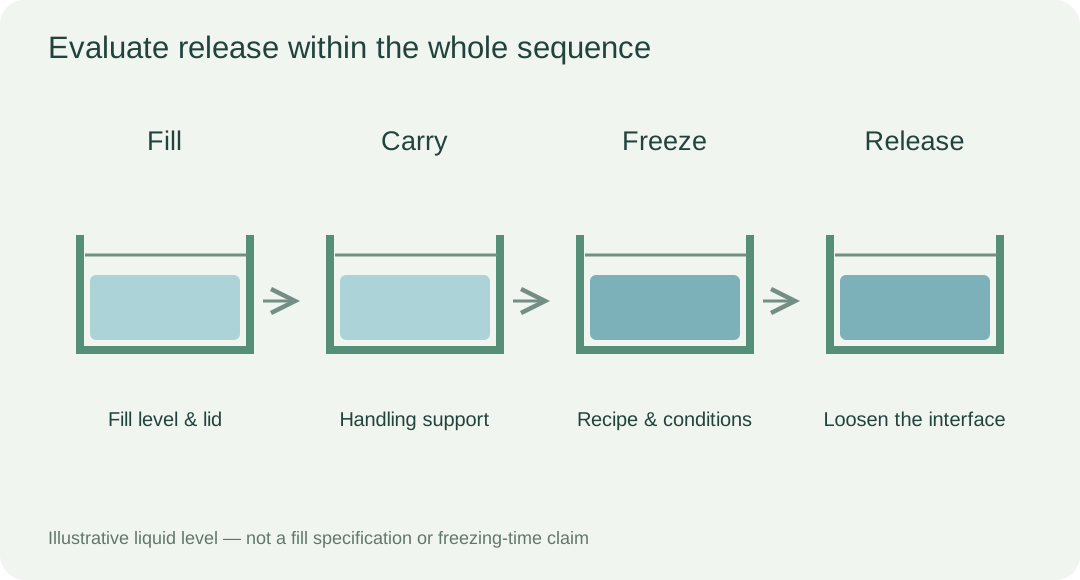
Each stage needs its own confirmation. This diagram does not prescribe a universal fill quantity or freezing time.
A popsicle stick changes the load path
An ice cube is commonly released by deforming the mold around it. A stick-based treat also depends on stick position, insertion and the frozen contents' attachment to the stick. Pulling before loosening the mold can concentrate force at that attachment instead of releasing the treat.
Evaluate both uses separately: how the contents are removed without a stick, and how the wall is loosened before a stick-based item is withdrawn. Instructions should follow the actual design. Avoid recommending sharp prying tools or specifying hot-water temperatures and soaking times without validation.
Deep cavities, narrowed areas and pronounced corners also deserve attention. Identify where deformation starts and whether the same small area repeatedly carries the pulling load. That can reveal a structural improvement more clearly than a general request for greater tear resistance.
Silicone alone cannot tell you the freezing time
The contents must transfer heat to the surrounding environment to reach the intended state. Freezer conditions, fill, cavity dimensions, spacing and formulation can all matter. Even the same mold can behave differently after its fill or placement changes.
When comparing samples, keep the freezing conditions, recipe and fill as consistent as possible, and record the starting and removal states. A time-to-release claim on packaging needs evidence under clearly defined conditions. One observation in a household freezer does not establish a result for all users.
Use separate records for the two intended formats:
| Stage | Clear-water ice | Stick-based frozen treat |
|---|---|---|
| Filling | Quantity and liquid level | Recipe, quantity and stick displacement |
| Carrying | Edge deformation and spilling during movement | The same, plus interference between sticks and lid |
| Freezing | Conditions and actual frozen state | Check the whole item rather than only surface firmness |
| Release | Loosening point, action and intactness | Record wall release separately from stick pulling |
| Cleaning | Cavities, corners and lid edge | Also inspect actual stick slots and removable parts |
This is a development-record framework, not a report of tests already passed by a product.
Develop cleaning instructions alongside the product
Lid edges, corners and any stick slots need to be accessible to the intended cleaning method. Removable parts need understandable reassembly and storage. For food-contact use, review the finished item and relevant components against the destination market and intended conditions.
A mold intended for freezing should not automatically be marketed for oven use because silicone is also used in bakeware. Freezing, heating and cleaning are different conditions requiring appropriate evidence. Likewise, a successful release experience with one shape and recipe does not establish the same behavior for every formulation.
Zhongding's team has years of silicone product manufacturing experience. Starting with our existing popsicle and ice mold, we can discuss structure, colors, set configuration and packaging, and coordinate sample confirmation. For custom silicone ice molds, the intended contents, finished shape, filling method and removal action help focus the discussion on cavities, lids and accessories.
A well-developed mold should work when empty, filled and frozen—not only during a single successful release demonstration.